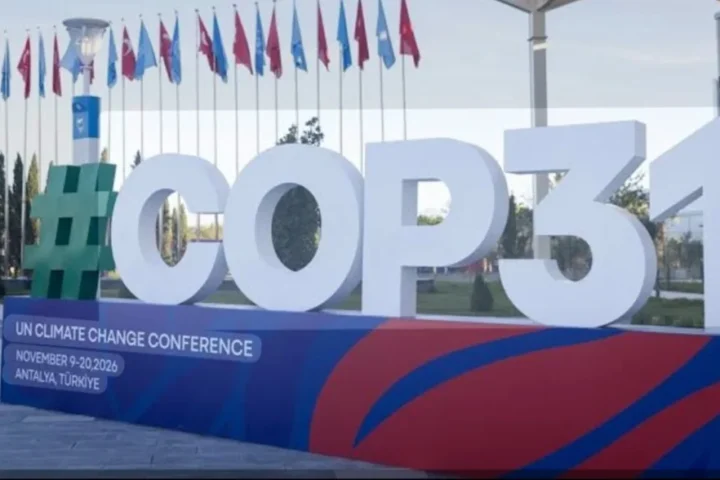
As world leaders, environmental experts and organisations gather for the 31st UN Climate Change Conference (COP31) in Antalya, Türkiye, one important question stands out:
How do we protect nature while addressing climate change and securing sustainable livelihoods for future generations?
Conservation is the protection, sustainable management and restoration of natural resources and ecosystems to ensure they continue supporting life, biodiversity and human livelihoods.
Forests, wetlands, rivers, grasslands and oceans play an important role in regulating the climate, storing carbon, protecting water sources, supporting agriculture and sustaining biodiversity.
Some of the key conservation priorities include:
Forest restoration – restoring degraded forests and planting appropriate indigenous tree species.
Biodiversity protection – safeguarding wildlife, plants and their natural habitats.
Preventing deforestation – addressing forest destruction and unsustainable land use.
Ecosystem protection – conserving wetlands, rivers and water catchment areas.
Nature-based solutions – using nature to address challenges such as flooding, drought, soil erosion and rising temperatures.
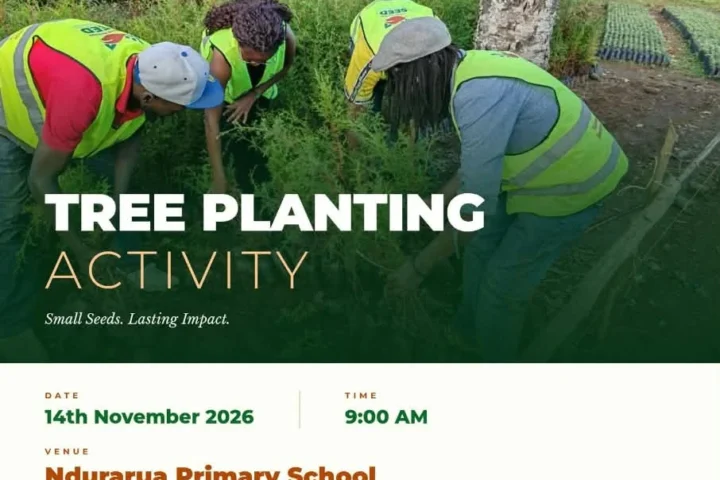
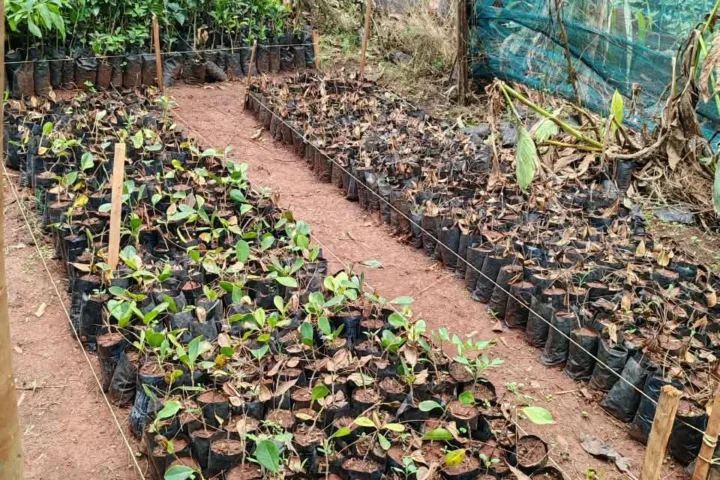
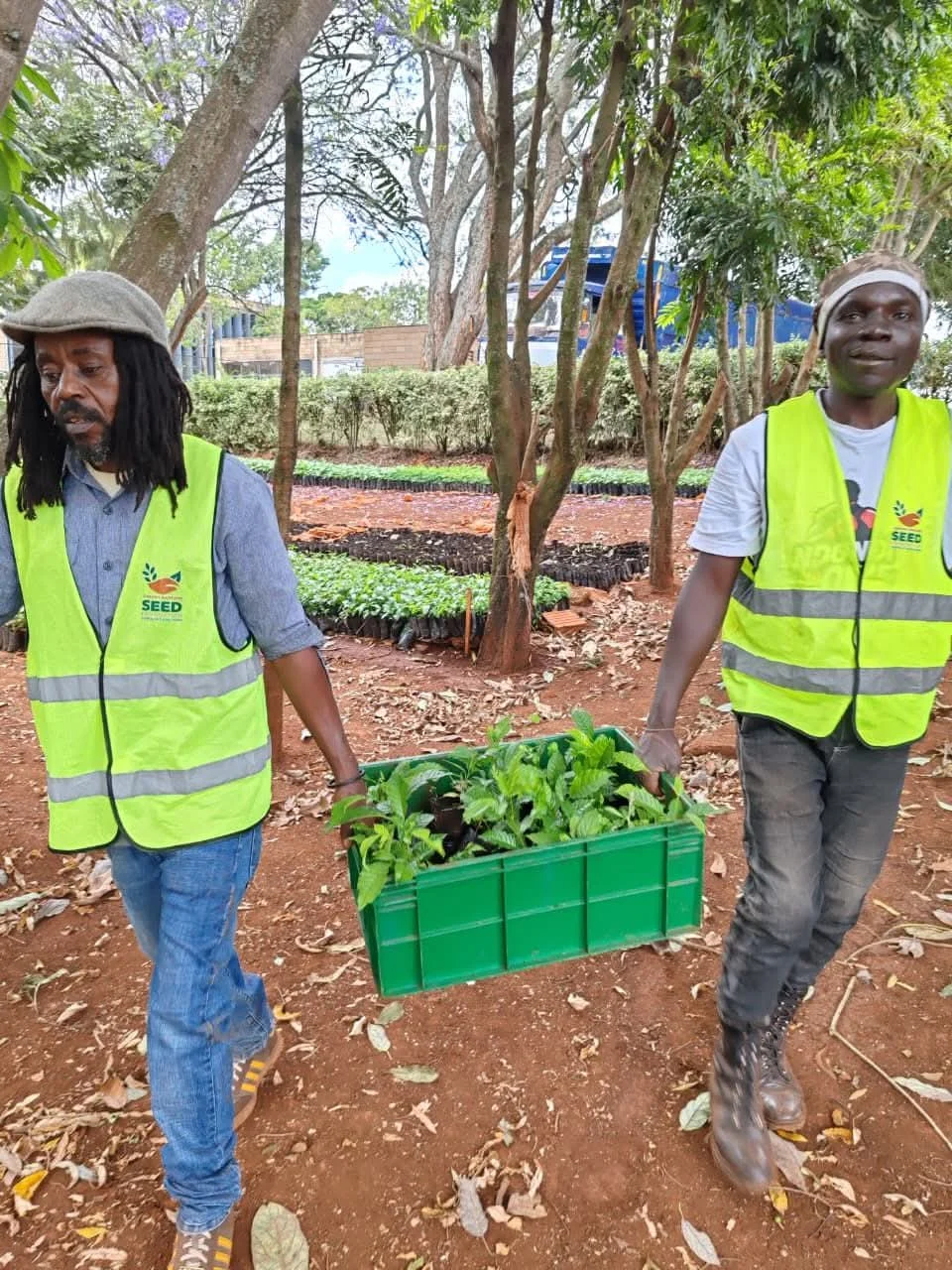
G-MSF, we recognise that meaningful conservation begins with action at the grassroots.Through our environmental conservation programmes, we contribute by:Establishing and supporting tree nurseries, Mobilising communities to plant indigenous and fruit trees, Promoting school orchards and environmental education, Empowering women through environmental initiatives and sustainable livelihoods, Engaging young people and communities in environmental protection Promoting ecosystem restoration, climate awareness and community responsibility.
Are we doing enough to protect the ecosystems that sustain us, or are we waiting until the damage becomes irreversible?
Support our work : https://share.google/xHZxEaWc2nuaH9nlA
Small Seeds. Lasting Impact.
#COP31 #Conservation #Biodiversity #ClimateAction #gakamimustardseedfoundation